
Some days, even a small request can feel like one thing too many. You have a message to answer, something needs your attention at home, and somehow it is already time to figure out dinner. You may find yourself wondering, Why does this feel harder than it used to?
Let’s look at what may be adding to that feeling, along with some practical ways to care for yourself. There is more to the story than getting older, and you do not need to buy an entire shelf of wellness products to begin.
Is it your age, or everything happening around you?
Midlife can bring a different mix of demands: financial worries, changes at work, caregiving, grief, health concerns, or relationships that need more attention. Your circumstances matter. It is worth looking at what you are carrying before deciding you have somehow become less capable.
Here is an encouraging detail from the research. A study following more than 3,000 women through midlife found that perceived stress decreased for most participants over time. The encouraging takeaway is that feeling more stressed isn’t an inevitable part of getting older. Your daily responsibilities and circumstances matter, too. [1]
If your days feel harder right now, it is worth taking a closer look at what has changed. Better sleep, practical help, or more time for yourself may be where you most need support.
A poor night can make a full day feel even fuller
During the menopause transition, hot flashes and night sweats can interrupt sleep. Too little sleep can leave you feeling irritable or forgetful. If you have been awake repeatedly, the next day may feel especially demanding. [2]
Start with the part you can make more comfortable: lighter bedding, a cooler bedroom if possible, and having your coffee or other caffeinated drinks earlier in the day. Try a consistent wake-up time and give yourself some time to unwind before bed. [2]
If poor sleep keeps returning, your healthcare professional can help you explore what is interrupting your rest and find support that fits. Cognitive behavioral therapy for insomnia, or CBT-I, is a structured approach that can help with ongoing insomnia, including in women with menopausal symptoms. [2]
Cortisol is part of the picture, not the whole story
Your stress response helps you meet a challenge. It involves your nervous system and hormones, including adrenaline and cortisol. Cortisol patterns vary with the kind of stress and how long it has lasted, so feeling tense is not a reliable measure of your cortisol level. [3]
Understanding this can help you focus on what supports you: getting rest, enjoying movement, and finding ways to make everyday demands more manageable. You can begin with something small that fits your day.
Choose movement you actually want to do
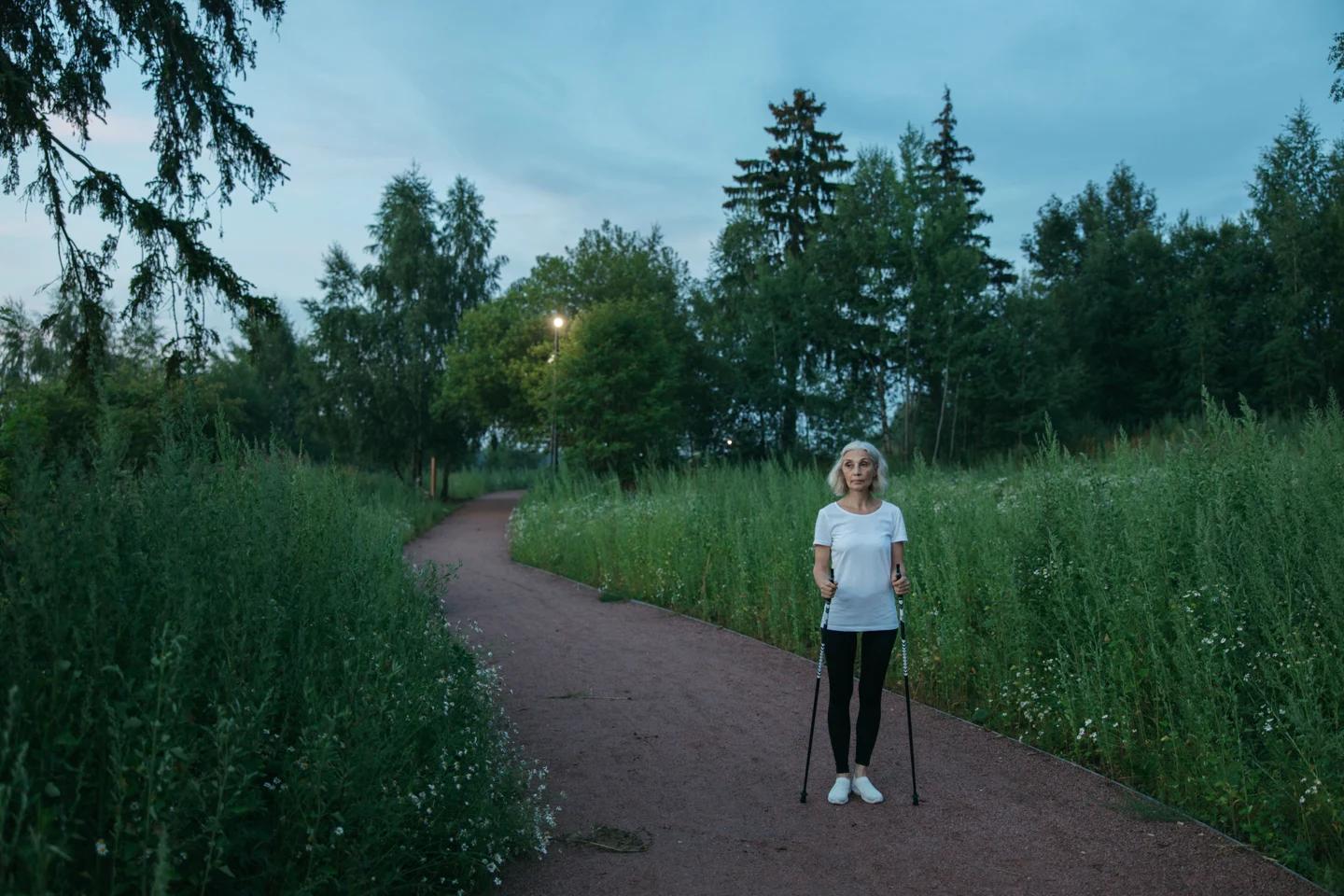
Think about what would feel appealing today: walking somewhere pleasant, dancing to a favorite song, gardening within your abilities, or moving with a class you enjoy. Your movement does not have to look like someone else’s workout.
Research shows that regular physical activity can help ease anxiety and improve your mood. A large 2023 overview found benefits across a range of adults. Start with something you enjoy and can comfortably fit into your day. [4]
For a manageable start, you might take a short walk after lunch or move for a few minutes while dinner cooks. Choose a pace and activity that suit your health and abilities. If activity causes pain or unusual symptoms, stop and get appropriate advice.
Let the outdoors be enjoyable, too
You do not need a forest retreat. A nearby park, a shaded courtyard, or a comfortable spot outside may be enough to give you a change of scene. Notice something you like: the shape of a leaf, a bird calling, the breeze. Pick a place that feels safe and accessible, and consider the heat, air quality, and your own limits.
For now, let the pleasure of being outdoors be enough: a change of scenery, something beautiful to notice, or a chance to spend time away from your usual demands. Try a setting you enjoy and notice how the experience feels to you.
Try a comfortable pause, without forcing your breath
If focusing on your breathing feels pleasant, sit somewhere supported and let your breathing slow comfortably for a few breaths. Keep your eyes open if you prefer. There is no need to pull in huge breaths, hold your breath, or hit a particular number.
Breathing practices have encouraging research behind them. In a 2023 trial, people practiced for five minutes a day for a month; a technique emphasizing the out-breath improved mood and slowed breathing compared with mindfulness meditation. [6]
If you feel dizzy, short of breath, or more anxious, stop the exercise and return to your normal breathing. You might feel more comfortable looking around the room or taking an easy walk. If relaxation brings up upsetting memories or strong emotions, a therapist or psychiatrist can help you work through them at a pace that feels manageable. You deserve support with what comes up, rather than feeling you have to handle it by yourself. [7]
Make feeding yourself a little easier
On a busy day, a useful food question might be, What can I put together without making this harder? Try oats with yogurt and fruit, eggs with whole-grain toast, or beans with rice and vegetables. Fish, dairy, and other foods you enjoy can fit, too. Having a few simple, satisfying meals you enjoy can make feeding yourself feel easier, especially on demanding days.
Cooking at home gives you more say in what goes into your meals, from the vegetables you enjoy to the amount of salt or added sugar. Research also links more frequent home cooking with better overall diet quality. [9] If buying organic is part of your goal, USDA organic standards support practices that conserve biodiversity and ecological balance. [10]
Start where you are. Frozen vegetables, canned beans, and local fruit can help you put together satisfying meals today. As time and budget allow, you might learn one simple recipe or add an organic ingredient you use often. Build toward the habits you want, one manageable change at a time.
If you enjoy herbal tea, take a little time to choose a blend that suits you. Check the ingredients against your allergies, medicines, and health needs. A pharmacist can help with interactions; if you are pregnant or breastfeeding, check with your maternity care professional before trying medicinal herbs. Knowing what fits your circumstances can help you enjoy your choices with more confidence. [8]
Sometimes you need less to carry
A walk or a cup of tea may give you a welcome pause. Neither can take a difficult responsibility off your calendar. It is worth asking whether something needs to change around you, as well as how you respond to it.
A practical request might sound like, “Could you take care of dinner on Thursday?” or “I need a little more time before I can commit to that.” If help is available, being specific can make the conversation easier. If it is not, consider which expectation can be lowered or which nonessential task can wait.

You might also want company without having to explain or solve everything. A phone call, a shared meal, or time with someone you feel comfortable around can be a way to make room for that. Choose the kind of contact that fits your energy, budget, and circumstances.
You can care for yourself and get more support
If worry, low mood, or disrupted sleep keeps interfering with your life, talk with a healthcare professional. Counseling and other treatments can work alongside everyday wellness practices. You do not have to exhaust every natural option before asking for help. [2, 7]
For today, choose the thing that would help your actual day: something to eat, a few minutes outdoors, an earlier bedtime, or an honest conversation about what you need. You are allowed to choose support that feels useful to you, even when it is wonderfully ordinary.