
If you enjoy a cup of tea in the evening, you might be ready to try something a little different. Let me introduce you to linden blossom and lemon verbena. They may not be the first herbs you reach for, but there is plenty to enjoy learning about them.
Linden gives this blend its floral character, while lemon verbena brings a lovely lemon fragrance. We’ll use dried blossoms and leaves, a little hot water, and a few minutes to let everything steep. Nothing complicated, and no need to buy half the herb shop.
Let’s get to know what is going into your mug, how to choose the right herbs, and how to make a cup you will enjoy.
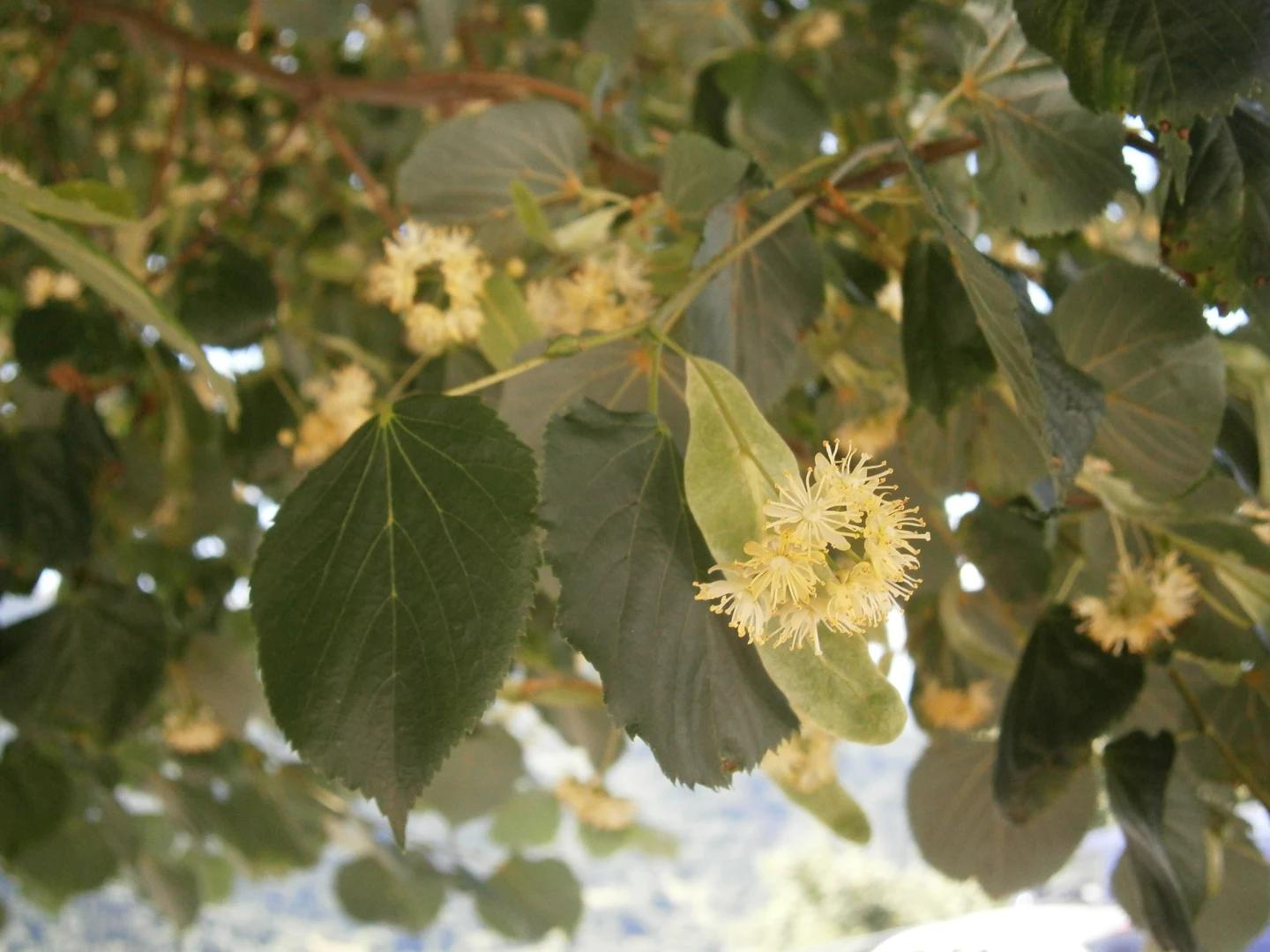
First, meet linden blossom
You may have seen linden called lime flower or tilleul. Lime flower sounds as though it should belong beside the lemons, doesn’t it? It actually comes from a linden tree. Look for Tilia cordata, Tilia platyphyllos, or Tilia × vulgaris on the label. Those are the plants covered by the European Medicines Agency’s linden guidance. [1]
You don’t need to memorize the Latin names. Keep them handy when you shop, and look for linden blossom sold specifically for tea. A clearly labeled bag from a supplier who can answer your questions is a much better starting point than flowers bought for decoration.
Name help: Tilia cordata: TILL-ee-uh kor-DAY-tuh. Botanical pronunciations vary. [5]
And then there’s lemon verbena
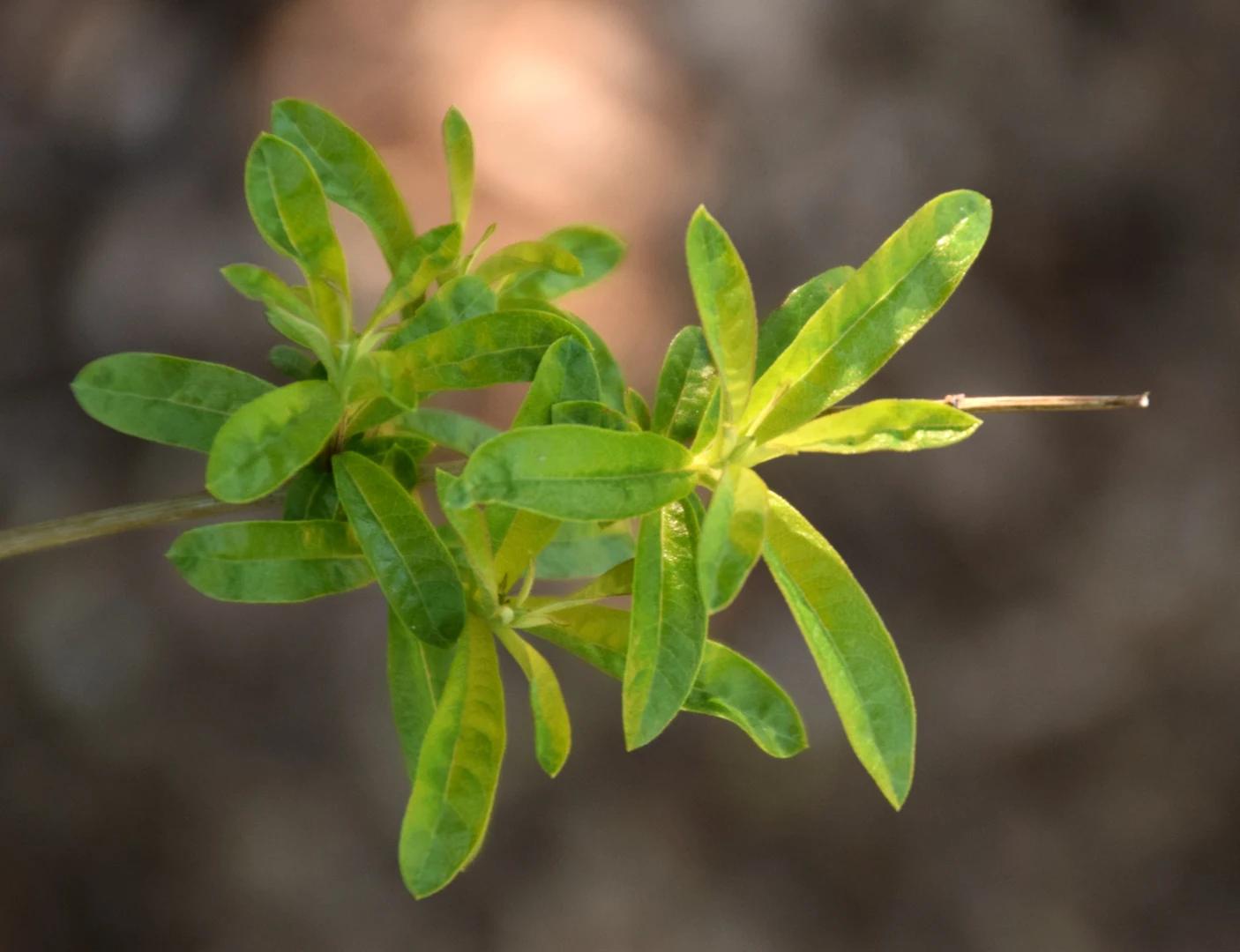


Lemon verbena is a shrub from South America with wonderfully lemon-scented leaves. Its botanical name is Aloysia citrodora, and it has a place in both cooking and tea. One little shopping detail: lemon verbena and lemon balm are different plants. Check the full name so you bring home the one you meant to buy. [2, 3]
Name help: Aloysia: al-OY-see-ah. Botanical pronunciations vary. [6]
For our cup, we’ll use dried lemon verbena leaf. Start with a small bag of each herb so you can see whether you like them. If you have ever bought a large packet of something that is still sitting in the cupboard months later, you will understand the appeal of starting small.
Why people reach for these herbs
If you have wondered why these herbs so often turn up in evening teas, their history helps explain it. People have traditionally reached for linden blossom during times of mild stress, and for lemon verbena to help with sleep, mild stress, or digestive discomfort such as bloating. These are traditional uses recognized in European herbal guidance, with research still catching up to that long history. [1, 2]
For this recipe, we are bringing them together for their floral and lemony character. If your usual herbal tea has become a little too familiar, this gives you something new to explore.
Has brewed lemon verbena tea been studied for sleep?
You might be wondering, “Could a cup of lemon verbena tea help me sleep?” I looked into that question. The sleep studies I could verify used extracts or a concentrated leaf syrup, so they do not tell us what to expect from an ordinary brewed cup. Lemon verbena tea does, however, have a history of traditional use to aid sleep. [2, 4, 7]
Here’s an encouraging example of what researchers are finding. In a 2024 study, 71 people took either a lemon verbena extract or a placebo for three months. The people taking the extract had better results on several measures of sleep. If you would like to explore the details, I’ve included the study in “Sources you can explore” below. [4]
What makes this blend worth trying?
The recipe is easy to adjust to your taste without changing the measured herbs. Try it plain first. If you prefer a lighter cup, add a little more water; if you like sweetness, stir in a little honey.
Start with small packets of the dried herbs. That lets you explore a new blend without committing much cupboard space or money.
Loose leaves, fillable bags, or an infuser?
Loose herbs give you a choice of how to brew. A reusable stainless-steel infuser is a straightforward option. If you prefer the convenience of a tea bag, you can buy empty bags and fill them yourself. Look for food-grade paper or cotton bags with a clearly stated composition, and ask the supplier whether the bag, seams, or seal contain plastic.
Some plastic-containing tea bags have released microplastics and smaller particles into hot water in laboratory studies. How much is released varies with the material and brewing conditions. Researchers are still working out what these exposures mean for human health. If you would prefer to avoid plastic-containing bags, loose herbs in a stainless-steel infuser are an easy place to start. [8, 9]
A label such as “silky,” “plant-based,” or “compostable” may not tell you everything about the bag’s material. Look for specific information from the manufacturer rather than relying on how it looks. Choosing your own brewing supplies lets you decide what you are comfortable using. [10]
Let’s make a cup
Download Tea Recipe (PDF)Gather your dried tea herbs and a favorite mug. This recipe makes one cup for an adult and uses dried blossoms and leaves. Keep essential oils and extracts out of this preparation.
Ingredients for one cup
Yield: 1 cup · Steep: about 7 minutes, plus cooling
- 1 g tea-grade dried linden blossom
- 0.5 g tea-grade dried lemon verbena leaf
- 1 cup (240 mL / 8 US fl oz) freshly boiled drinking water
- Optional: a little honey
Use a small kitchen scale for the herbs; fluffy blossoms and crushed leaves weigh differently by the spoonful.
1. Add the herbs. Put the measured herbs in a stainless-steel infuser, a food-grade fill-your-own tea bag, or a heatproof teapot. Leave room for the herbs to expand.
2. Pour and cover. Add freshly boiled water, cover, and steep for about 7 minutes.
3. Strain and let it cool. Strain and cool to a comfortable drinking temperature. Taste before adding honey.
4. Adjust to your taste. For a lighter flavor, add water, keeping the measured herbs the same.
A few things to check before your first cup
Read the ingredient labels and follow any stricter package directions. This recipe is for adults. Skip it if you are allergic to either herb or plants in the Verbenaceae family. During pregnancy or breastfeeding, leave it out unless your maternity care professional advises otherwise. A pharmacist can help check your medicines and health needs. Lemon verbena may affect alertness; do not drive if affected. As a precaution, avoid alcohol and other sedating products when first trying it. Stop for a reaction; breathing difficulty or mouth/throat swelling needs emergency help. [1, 2]
Choosing your herbs and brewing supplies
You can buy the two herbs as loose dried blossoms and leaves, then use your own infuser or fillable tea bags. Whether you order online or shop locally, look for the full plant name, the part used, a batch number, and a supplier you can contact. Choose herbs sold for food or tea, rather than decorative flowers. An infuser or fine strainer and a heatproof mug or teapot will complete your setup.
Keep your herbs tightly closed, away from the kettle’s steam, the stove, and direct sunlight. Follow the storage instructions on the packet and write the name and date on any jar you use. You will thank yourself when you are trying to remember what is in it three months from now.
A few things to check before you try it
Medicines and health conditions: If you take medicines or supplements, ask a pharmacist to check both herbs for you, especially if something you take already makes you sleepy. Bring the plant names and your medicine list so they can help you choose confidently. Mention any health conditions, too. [1, 2]
Ongoing symptoms: If stress or poor sleep keeps troubling you, gets worse, or makes your days harder, please get some support. You deserve help with what is going on, and a cup of tea can sit comfortably alongside that care.
Make a little room for yourself
If this blend interests you, start by checking the ingredients and precautions. Then, if it suits you, make a cup at a time when you can sit down and enjoy it. Leave the dishes for a few minutes. They are remarkably good at waiting.
Bring your cup to a comfortable spot and enjoy it while it is warm. You might reach for a book or call a friend. There is no special routine to get right.
If you transfer your herbs into jars, label each jar with the common and botanical names and the best-by date from the original package. Keep a photo of the package label on your phone, including the supplier and batch number, so you can find those details later.