

Maybe your period has started arriving on its own schedule. You’re throwing off the covers at night, feeling less patient than usual, or wondering why a perfectly ordinary day has left you so worn out. When a few unfamiliar changes arrive together, it’s reasonable to ask, “What is going on with me?”
Perimenopause may be part of the answer. Understanding it can help you decide what would make your days more comfortable—and where a little extra support could make a real difference.
Let’s start with what’s changing, then look at nourishing foods, plant options, and everyday practices you can actually use. You don’t need a cabinet full of supplements or an entirely new way of living to begin.
First, what does perimenopause mean?
Perimenopause is the transition leading up to menopause, when your hormone levels change and your periods may become less predictable. It often begins in your 40s, although some women notice changes earlier. You can still become pregnant during this time, even when you skip periods. [1]
Menopause is the point reached after 12 months without a period when there isn’t another explanation. The years afterward are called postmenopause. If birth control, surgery, or another treatment affects your periods, your healthcare professional can help you understand where you are in the process. [1, 2]
You don’t have to wait for that 12-month mark to take your comfort seriously. The transition itself can bring changes worth paying attention to.
Notice what feels different for you
Your periods may change in timing or flow. You might notice sudden waves of warmth, night sweats, interrupted sleep, vaginal dryness, or discomfort during sex. Some women feel more irritable or anxious; others notice that poor sleep makes concentrating harder. Your experience may look quite different from your friend’s. [2, 3]
It can help to jot down what changed, roughly when it started, and how it affects your day. “I’m waking three nights a week and struggling to concentrate at work” gives you—and anyone helping you—something more useful to work with than “I just feel off.”
A few notes are enough. You’re looking for patterns, not applying for a degree in yourself.
If a change is persistent or getting in the way of daily life, bring it up at an appointment. Similar symptoms can have other explanations, and you deserve help understanding yours. Your age, period pattern, and symptoms often tell your clinician more than a single hormone test. [1]
Let food be a practical place to start
If everything feels a little unpredictable, a satisfying meal can be one familiar thing to come back to. Think about adding foods you enjoy: vegetables, fruit, beans, whole grains, nuts, and a source of protein. Eggs, fish, dairy, tofu, and other foods can all have a place, depending on your preferences. [4]
One detail worth knowing: calcium deserves attention as you move through menopause because your body absorbs and retains less of it afterward. Yogurt, milk, calcium-fortified soy milk, calcium-set tofu, and canned fish with edible bones can help you include it in everyday meals. Check labels on plant drinks and tofu; the calcium content varies. [5]
That might look like yogurt with fruit and oats for breakfast, eggs with greens and whole-grain toast, or fish or tofu alongside rice and vegetables. These are meal ideas to make your day easier. Choose the foods that suit your appetite, allergies, budget, and any dietary advice you already follow.
Cooking at home lets you choose the ingredients, seasonings, and portions you enjoy. If buying organic matters to you, organic farming standards support practices that protect soil, water, and biodiversity. You might work toward buying a few regular ingredients organic as your budget allows. [6]
Start with what you can do now. Frozen vegetables, a carton of eggs, or a can of beans can be the beginning of a very good meal. A more nourishing kitchen can grow one familiar meal at a time.
A useful idea from Japanese food traditions
Tofu, miso, and other soybean foods have a long place in Japanese cooking, within a much wider history of soy foods across Asia. One lovely idea to borrow is enjoying these foods as ordinary parts of a meal, rather than approaching every ingredient as something you need to take for a symptom. [7]
If tofu is unfamiliar, try adding a few cubes to a vegetable soup or enjoying it with rice and vegetables. Edamame are young soybeans; you can often find them frozen, either shelled or still in their pods. Prepare them according to the package directions. If they come in pods, eat the beans inside and leave the pods behind. [19]
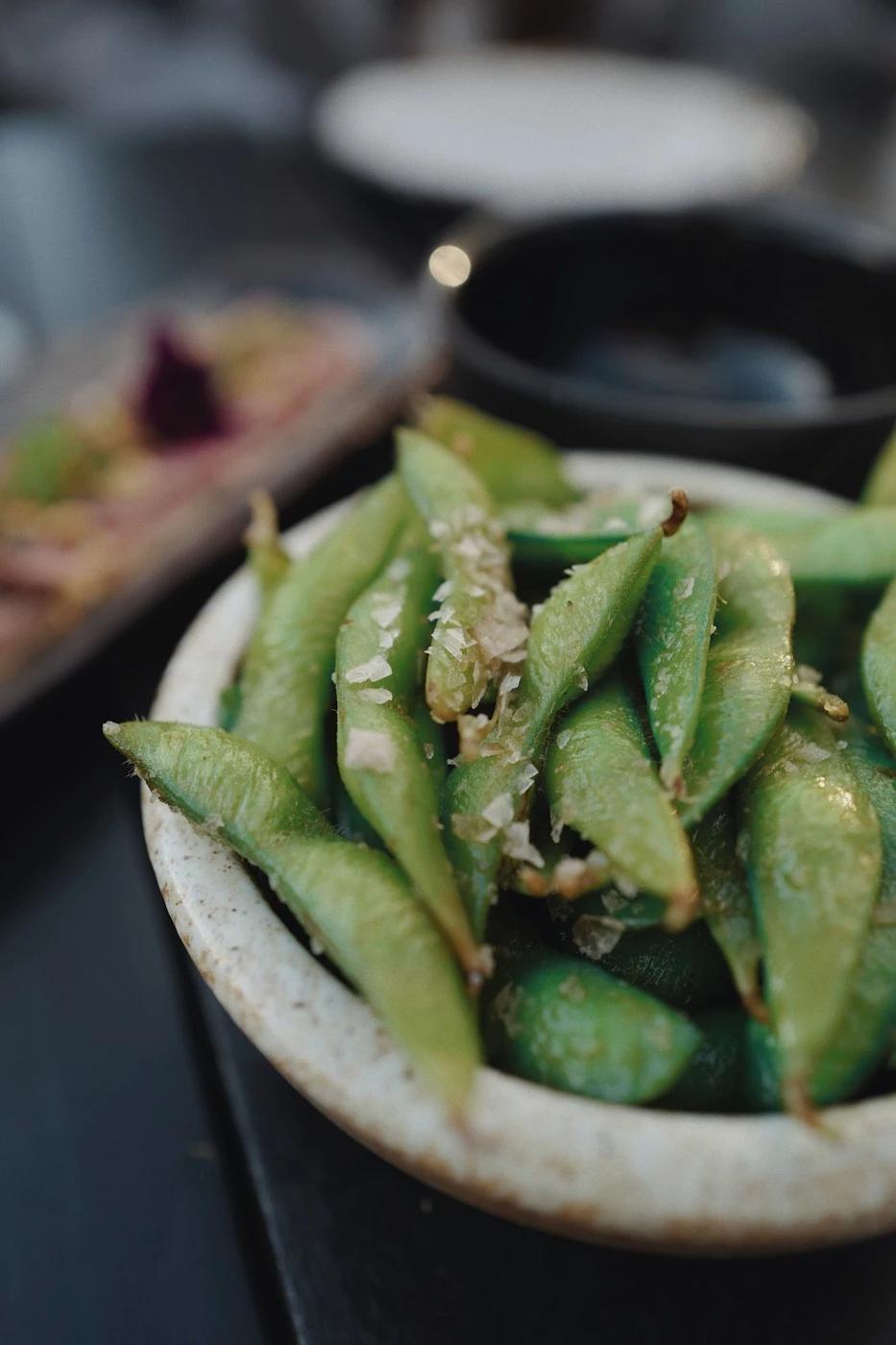
You may have heard soy mentioned in conversations about menopause. It contains isoflavones—plant compounds with a structure similar to estrogen. Some research on soy protein or concentrated isoflavones suggests a small improvement in hot flashes, although results vary. An ordinary serving of tofu is different from a concentrated supplement. For your kitchen, think of soy foods as another nourishing option you may enjoy. [8]
Skip soy if you’re allergic to it. If you take levothyroxine for your thyroid or an MAOI antidepressant, ask your pharmacist how soy foods fit with your medicine; timing or particular foods may matter. Concentrated isoflavone supplements need a separate discussion, especially if you have a history of breast cancer. [8, 9, 10]
And if tofu simply isn’t your thing, you still have plenty of other good foods to choose from. Use what is available where you live, whether that’s a U.S. supermarket or a neighborhood market abroad.
Make movement something you look forward to
Regular movement can support your mood, sleep, muscle strength, and everyday function. Walking, dancing in your kitchen, swimming, and strength exercises are all ways to begin. Choose something that feels comfortable enough to return to, and build gradually. [11]
If fast-paced workouts don’t appeal to you, begin with a walk at a comfortable pace or a few strength movements you already know how to do safely. A friend, a favorite playlist, or a pleasant place to walk may make it something you look forward to rather than another item on your list.
You can also look for a beginner strength class or an instructor who will help you learn how to use resistance bands or light weights. Strengthening activities help you maintain or build muscle, which supports the everyday things you want to keep doing. Start with movements and resistance that fit your abilities, and build gradually. [11]
Mat Pilates is another option if you enjoy a class with a little more structure. You’ll practice controlled movements on a mat, with an instructor guiding you through the exercises. Look for a beginner class where you can learn at a comfortable pace and ask for adjustments when you need them.
If you have joint pain, balance difficulties, or a condition that affects movement, ask for help adapting the activity. Let the goal be moving more comfortably in your own body.
Give yourself a more comfortable night
If you’re waking hot, make the bed easier to adjust: lighter layers you can remove, comfortable sleepwear, and a cooler room when possible. A spare pillowcase or change of sleepwear nearby may make an interrupted night a little less frustrating.
Try having your coffee or other caffeinated drinks earlier in the day. Give yourself some time to unwind before bed, and aim for a fairly consistent wake-up time. Alcohol may make you feel sleepy at first but can lead to lighter, more interrupted sleep. [12]
Choose one change that would help tonight. You don’t have to renovate your bedroom and become a completely different person by bedtime.
If sleep keeps being difficult, ask about cognitive behavioral therapy for insomnia, or CBT-I. It’s a structured approach that helps with ongoing sleep difficulties, and programs may be available in person or online. Getting that support can sit comfortably alongside the changes you’re making at home. [12]
What about herbs for hot flashes?
If you’re drawn to plants, you may be curious about black cohosh. Its botanical name is Actaea racemosa, and herbal preparations use the root or underground stem. It’s native to North America and has a history of Indigenous medicinal use. [13]
Name help: Actaea racemosa: ak-TAY-ah ray-see-MO-sah. Botanical pronunciations vary. [14]
Here’s why this herb deserves a closer look. A 2023 review brought together 22 trials of products containing black cohosh extracts and found encouraging results for hot flashes and overall menopause symptoms. Those findings concern extracts, sometimes in combination products; they don’t tell us what to expect from a homemade tea. [13, 15]
If you want to explore it, bring the actual product label and your medicine list to a pharmacist or menopause-experienced clinician. Ask, “Is this the preparation that was studied, does it fit my health history, and how will we know whether it’s helping?” The exact extract matters, and expert recommendations differ. [10, 16]
A few things to know before trying it: Avoid black cohosh during pregnancy or breastfeeding. Get individual advice first if you have liver disease, a history of hormone-sensitive cancer, or take medicines. Rare liver problems have been reported with products labeled black cohosh, although the cause is uncertain. Stop taking it and seek medical advice promptly if you develop dark urine, yellowing skin or eyes, or significant upper-abdominal pain. [13, 16]
This is an option to investigate thoughtfully, with a clear goal and a product-specific plan. There’s no need to try every herb mentioned in a menopause conversation.
You can prefer natural care and still ask for help
Sometimes the most useful next step is another meal idea or a more comfortable night. Sometimes it’s an appointment where you can say, “This is affecting my life, and I’d like to understand my options.”
Hormonal and nonhormonal treatments are available for troublesome symptoms. Tell your healthcare professional what you would prefer, what you’ve already tried, and what you want help with most. [2]
Bring up vaginal dryness, painful sex, urinary changes, or mood difficulties, too. They deserve attention even if you find them awkward to mention. If anxiety or low mood keeps returning, a therapist or psychiatrist can help you work through what you’re experiencing with care and without judgment. [18]
Some changes need a more timely conversation. Contact your healthcare professional about bleeding between periods, after sex, unusually heavy bleeding, or bleeding that lasts longer than a week. Any vaginal bleeding after menopause needs assessment. [1, 17]
If you’re soaking through a pad or tampon every hour for more than two hours and also feel lightheaded or dizzy, have chest pain, or are short of breath, seek emergency care. [17]
Start with the change you most want help with
You don’t need to work on everything at once. Perhaps you want to sleep more comfortably, make lunch easier, or find a way to move that leaves you feeling good.
Pick that one place to begin. Make a few notes, try a manageable change, and ask for support when you need it. If something isn’t helping, that’s useful information—not a verdict on how well you’re taking care of yourself.
The accompanying What I’m Noticing sheet gives you room to write down what has changed, what matters most, and a question you want answered. Use the parts that help. You can leave the rest blank.
General wellness education. Not a substitute for personalized medical care.